
Explainer
Paid Off Your Gold Loan? Here’s Why Your Jewellery May Not Come Back Immediately


Imagine you take a gold loan by pledging your jewellery, repay the entire loan and expect to get your gold back immediately. But what if the bank says it can still hold on to your jewellery?
While repaying the gold loan is generally the first step towards getting your jewellery back, there can be situations where a bank may retain the pledged gold against other outstanding dues. The answer depends largely on the terms of your loan and pledge agreement.
Why can a bank retain your gold?
Under Section 171 of the Indian Contract Act, banks can have a general lien over securities held by them, unless there is a contract saying otherwise.
In simple terms, the jewellery you pledged for one loan may, in certain circumstances, also be retained against another liability you owe to the same bank but only when there is a valid contractual or legal basis for doing so.
A recent Andhra Pradesh High Court case involved a borrower who had repaid a gold loan, but the bank retained the jewellery because the borrower also had another outstanding housing-loan liability as a co-applicant. The court upheld the bank’s position based on the specific terms of the agreement.
It all comes down to the fine print
Before assuming that your jewellery is linked only to the gold loan, check your pledge form and loan documents.
Look out for terms such as “general lien”, “right of set-off”, “all monies due” or clauses covering existing and future liabilities. These can determine whether the bank has the right to use the pledged jewellery as security for other dues.
This is particularly important if you have other loans with the same lender or are a co-borrower or co-applicant on another loan.
What should you do if the bank doesn’t return your gold?
If your gold loan has been fully repaid but the jewellery hasn’t been released, ask the bank in writing why it is being retained.
You can ask for details of the outstanding liability and the exact clause in the agreement that allows the bank to continue holding your jewellery.
If the issue isn’t resolved, you can first use the lender’s grievance-redressal process. If there is no response within 30 days or the response is unsatisfactory, an eligible customer can approach the RBI Integrated Ombudsman Scheme.
Also keep your loan closure statement, repayment proof, pledge receipt and communication with the bank safely. These documents can become important if there’s a dispute.
Source :Moneycontrol



For young earners, buying an expensive smartphone can feel like a reward for hard work. But when does the desire to look successful start getting in the way of building wealth?
The first salary brings a new kind of freedom. A young professional can finally buy things without asking for money. And often, the first big purchase is a smartphone.
Friends are flaunting their latest devices, Instagram is flooded with unboxing videos and a perfectly functional phone suddenly feels outdated. An ₹80,000 smartphone starts looking less like an expense and more like a reward for all the hard work.
But there is a difference between buying something because it adds value and buying it because it makes life look better to others.
India’s premium smartphone obsession
India’s smartphone market is moving towards premium devices. According to Counterpoint Research, smartphones priced above ₹30,000 accounted for 22% of smartphone shipments in India in 2025, their highest ever share.
A July 2026 Counterpoint Research survey also found that 46% of prospective smartphone buyers in India were willing to stretch their budgets to purchase their preferred phone despite price increases. Among consumers aged 25 to 30, the figure was 52%.
These numbers do not mean everyone buys expensive phones for status. Better cameras, performance and software support can justify the premium. However, they highlight how willing consumers can be to spend beyond their original budgets for a device they desire.
For young professionals still building their savings, this creates a dilemma: should the money go towards a premium phone or towards financial security?
What does an ₹80,000 phone actually cost?
Consider someone earning ₹40,000 a month and choosing between a ₹15,000 smartphone and an ₹80,000 device.
The premium phone costs twice their monthly salary before deductions. The budget alternative costs less than half of one month’s salary.
The difference is ₹65,000. That money could help build an emergency fund, pay for professional training or contribute towards future investments.
Of course, a premium phone may offer better features and a longer useful life. The point is not that expensive phones are always a bad purchase. It is whether the additional benefits justify the additional cost.
The EMI trap
Monthly instalments can make an expensive purchase feel manageable. Instead of thinking about ₹80,000, buyers focus on a smaller monthly payment.
But an affordable EMI does not automatically make a purchase financially sensible.
If repayments leave little money for savings, rent or other priorities, the phone may be stretching the budget more than it appears. Interest and fees can also increase the total cost.
The real cost of keeping up
The phone that attracts compliments today may become ordinary tomorrow. A newer model arrives, attention shifts and the excitement fades. The money spent, however, does not return.
For someone whose main motivation is social recognition, this creates an uncomfortable trade off. The owner bears the full cost while the approval may last only a short time.
Choosing a budget phone and keeping the ₹65,000 difference could create room for savings, experiences or investments. For illustration, ₹65,000 invested at an assumed annual return of 10% could grow to approximately ₹1.05 lakh over five years, before taxes and charges. Actual returns are not guaranteed.
So, should young earners buy budget phones?
Not necessarily. A premium phone can be worth the money when its features genuinely matter and the purchase fits comfortably within the buyer’s finances.
But before upgrading, it helps to ask: is the phone being purchased for its usefulness or because everyone else seems to have one?
Affordable smartphones have expanded the choices available to consumers. For everyday needs such as messaging, digital payments, browsing and streaming, a budget device may be sufficient.
A smartphone can signal purchasing power, but it cannot tell anyone how financially secure its owner really is.
The real flex is not owning the most expensive phone. It is being able to afford the things that matter without sacrificing the financial freedom that makes them possible.


There was a time when buying a designer bag was fairly straightforward: you liked it, you could afford it, and you bought it.
Now, things are a little different.
People are booking appointments, joining waitlists and hunting down specific colours, materials and limited-edition pieces. There are collectors with entire rooms dedicated to their handbags. And increasingly, buyers aren’t looking at these bags only as fashion purchases; they are looking at what the bag could be worth years down the line.
That got me thinking: when did a handbag start looking like an investment?
The Numbers Are Making The Case
According to the Knight Frank Luxury Investment Index, handbags were the best-performing luxury collectible category in 2024, gaining 2.8%.
Economic Times also highlighted how certain luxury handbags can sell for significantly more in the resale market than their original retail price. One example cited was an Hermès Birkin 25, which retailed at around ₹10.2 lakh but was selling for roughly ₹18 lakh in the resale market.
That’s a pretty interesting premium for something that is technically still a handbag.
Forbes has been making a similar argument for years. Its research has looked at designer handbags particularly sought-after Hermès pieces as an alternative investment, comparing their appreciation with traditional luxury assets such as art.
Of course, that doesn’t mean your wardrobe is suddenly a stock portfolio. But it does show that something interesting is happening in the luxury market.
Scarcity Is Doing A Lot Of The work
The most valuable handbags aren’t necessarily the most expensive ones. They’re often the ones people can’t easily get.
Limited production, discontinued designs, rare colours and materials, celebrity associations and strong brand demand can all contribute to resale value.
And that explains the waitlists.
The scarcity itself becomes part of the product. If everyone could walk into a store tomorrow and buy the same bag, some of that exclusivity and potentially some of its resale appeal would disappear.
It’s the same basic idea we see with many collectibles: when supply is limited and demand stays strong, people are willing to pay more.
This Is Also Creating A New Kind Of Collector
There are serious collectors building entire portfolios of handbags. Some buy specific models because they believe they will hold their value. Others look for pieces that are rare or difficult to find.
And yes, there are people whose collections are large enough to require dedicated storage.
At that point, we’re moving beyond fashion. We’re talking about an asset that someone is deliberately acquiring, preserving and potentially reselling.
And Then There’s The Collateral Angle
Here’s where things get even more interesting.
In some markets, specialist lenders allow owners to borrow against valuable luxury handbags, using them as collateral. In simple terms, the bag is valued and the owner can potentially access a loan against that value.
But this is where one should draw the line between “valuable asset” and “investment.”
Not every designer bag will qualify. And not every bag will be appreciated. Brand, model, condition, authenticity, rarity and resale demand can all influence its value.
So, are designer bags actually investments?
Sometimes. But not every expensive handbag is an investment. A stock can generate dividends. A bond can generate interest. A property can generate rent. A handbag doesn’t do any of that.
Its investment potential comes from what someone else may be willing to pay for it later. And that makes the market much more dependent on trends, scarcity and consumer demand.
So yes, a ten lakh handbag could potentially become more valuable over time.
But that doesn’t mean spending ten lakh on a handbag is automatically a smart financial decision. The smarter way to look at it may be this: a designer bag can be a luxury purchase that happens to have investment potential, not an investment that happens to be a bag.

Destination weddings are having a big moment. But before you book that beach resort or palace, there’s one thing worth checking first: Can your budget actually handle it? A 2026 report estimates the average destination wedding in India at around ₹58 lakh, with destination weddings expected to make up an even larger share of Indian weddings in the coming years. And that ₹58 lakh isn’t just a venue bill.
Your Guest List Is Your First Expense
Every additional guest can mean another room, meal, transfer, activity and possibly a flight.
So before deciding on the destination, decide how many people you’re actually willing to spend on.
A smaller guest list could leave you with more room in the budget for the things you genuinely care about without pushing your total spending higher.
The Destination Changes The Math
Goa, Udaipur, Jaipur or a luxury resort in the hills may look very different on Instagram and on the final bill.
You need to factor in:
- Venue and accommodation
- Food and beverages
- Guest travel
- Local transportation
- Décor and entertainment
- Photography and makeup
- Vendor travel and accommodation
And during the peak wedding season, higher demand can also mean higher prices.
If your dates are flexible, comparing peak-season and off-season prices could help bring the cost down.
Don’t Budget Only For The Wedding Day
A destination wedding often means paying for multiple days.
That means your budget needs to account for hotel nights, meals, transfers and all the little expenses that tend to appear once the wedding planning begins.
One useful approach is to create an all-in budget before paying any advance.
Not: Venue = ₹30 lakh
But: Wedding = venue + stay + travel + food + vendors + décor + contingency.
And Please Keep A Buffer
Wedding expenses have a habit of growing. An extra room here. A last-minute vendor there. Additional décor. A delayed flight.
Keep a separate contingency amount instead of putting every available rupee into the wedding. And if you’re considering wedding insurance, check exactly what the policy covers, its exclusions and claim limits before buying it.
The Money Checklist
Before booking that dream destination, ask:
- What’s our maximum budget?
- How many guests are we actually paying for?
- What’s the total travel and accommodation cost?
- Can changing the date reduce the cost?
- Have we included a contingency fund?
- Are we borrowing more than we’re comfortable repaying?
Because a beautiful wedding shouldn’t come with a financial hangover.
The goal isn’t to spend the most. It’s to celebrate without spending the next few years recovering from it.
Sources: Economic Times and 2026 wedding-industry estimates.
Disclaimer: Costs are indicative and may vary depending on the destination, guest count, wedding date and venue.
-
 Podcast1 year ago
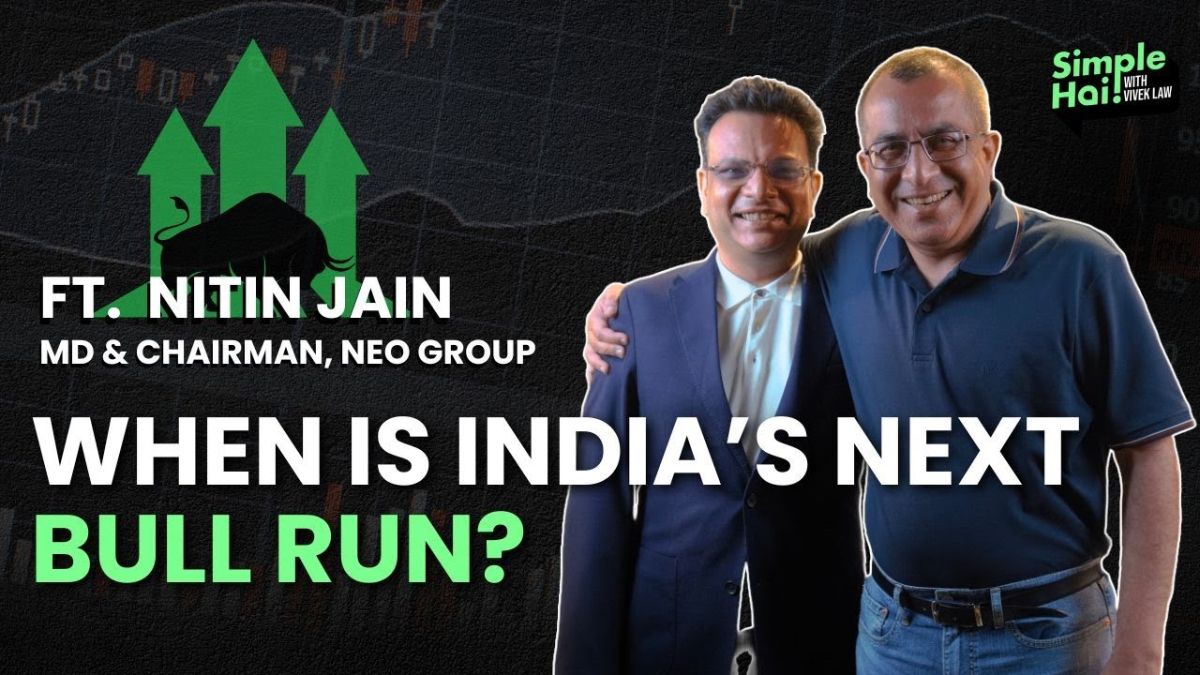
Nitin Jain: From IIT to Investment Titan, Managing ₹60,000 Crore AUM
-
 News3 weeks ago
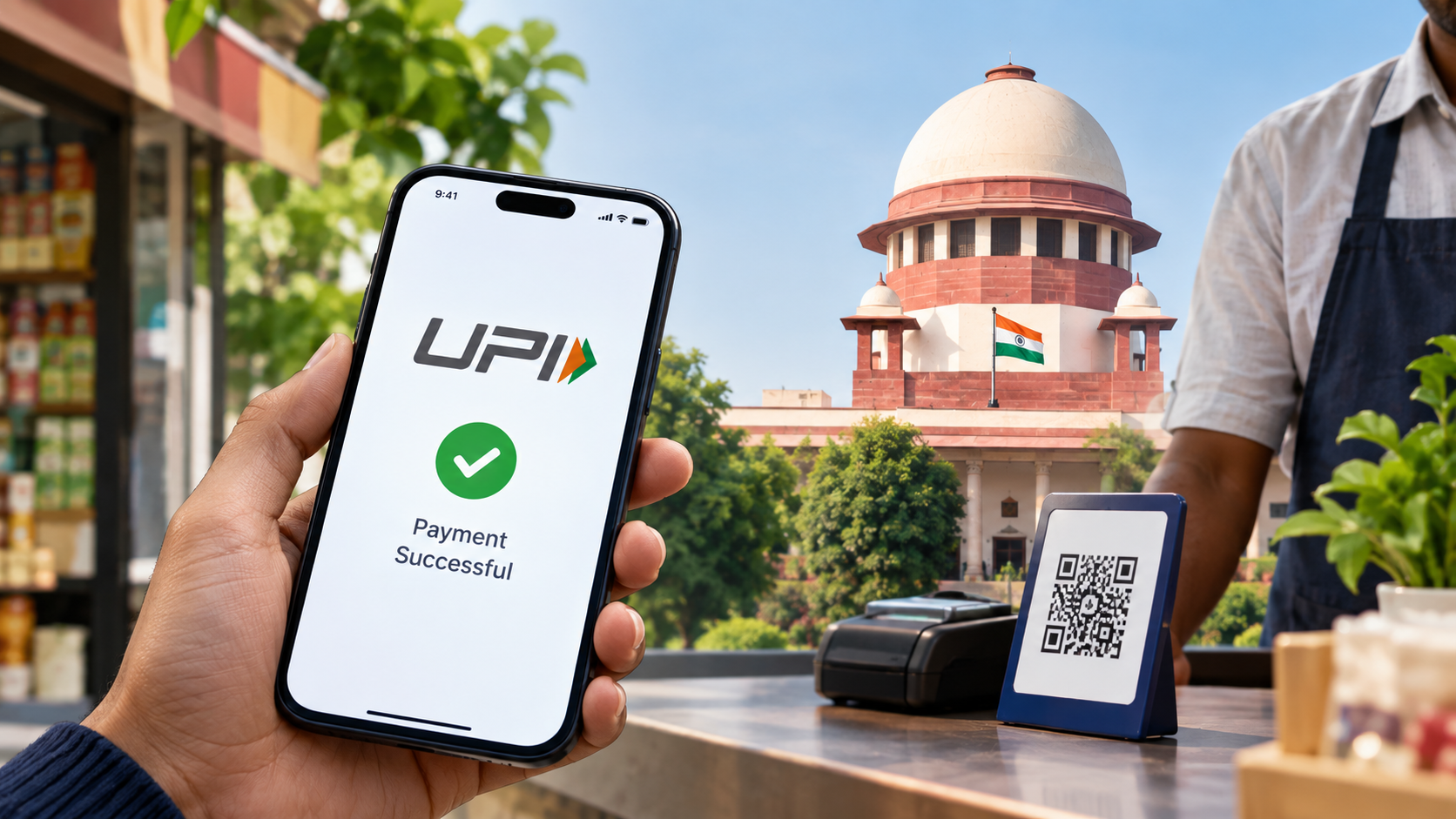
SC Says No Stay On New UPI Charges Above ₹2,000
-
 News4 weeks ago
NSE Makes Long-Awaited Market Debut After ₹22,562-Crore IPO
-

 Explainer5 months ago
How Much SIP Do You Need to Build ₹1 Crore? The Power of Time and Compounding
-
 Podcast2 years ago
From ₹1 Lakh Lost to Managing ₹650 Crore: How Divam Sharma of Green Portfolio Built a Fundamental Investing Approach
-
 Podcast4 months ago
Can ₹200 SIPs Create India’s Next Investing Revolution? Ravi Kumar Jha’s Big Bet On Financial Inclusion
-
 Podcast1 year ago
From ₹1 Lakh Lost to Managing ₹650 Crore: How Divam Sharma of Green Portfolio Built a Fundamental Investing Approach
-
 Podcast2 months ago
Simple Hai! @ 100: Celebrating a Milestone in Making Finance Simple