
News
SIP Growth Slows as Market Volatility Makes Investors Cautious


Monthly SIP investments hit a record ₹32,490 crore in September, but growth is slowing as market uncertainty and weaker returns influence investor behaviour.
Systematic Investment Plans (SIPs) have become a popular way for Indians to invest in mutual funds. But while monthly contributions continue to rise, the pace of growth is beginning to slow.
Monthly SIP contributions reached a record ₹32,490 crore in September 2026. However, year-on-year growth dropped to 10.7%, compared with 52.8% in September 2024.
The trend suggests that while investors are still putting money into mutual funds, the pace at which new investments are growing has slowed.
Market Volatility Is Changing Investor Behaviour
One of the biggest reasons behind the slowdown is the stock market’s recent performance. The Nifty 50 fell 9.43% between the beginning of the US-Iran conflict on February 28 and October 9, 2026. During this period, market volatility and weaker returns may have made some retail investors more cautious.
Subdued or negative market returns over the past two years have affected investor sentiment. People who entered the market expecting their investments to grow steadily may now be reconsidering whether to increase their contributions or start new SIPs.
This does not necessarily mean investors are moving away from mutual funds altogether. Some may simply be waiting for markets to stabilise before committing more money.
Mutual Funds Are Growing, but SIPs Are Losing Momentum
The slowdown becomes clearer when SIP growth is compared with the broader mutual fund industry.
Active SIP folios accounted for 35.2% of total mutual fund folios in September, down from 47% over the same period in 2024. Meanwhile, total mutual fund folios grew 36% over two years, while assets under management rose from ₹67.09 trillion in September 2024 to ₹82.64 trillion in September 2026.
Monthly SIP contributions also increased from ₹24,509 crore in September 2024 to ₹32,490 crore in September 2026. However, the rate of growth has slowed considerably.
These numbers suggest that while the mutual fund industry continues to expand, SIP investments are not growing at the same pace.
Are Investors Waiting for the Right Time to Invest?
Market uncertainty can influence how people choose to invest. Some investors with accumulated savings may prefer lump-sum investments when markets fall, hoping to buy investments at lower prices. Others may delay investing until conditions appear more stable.
However, waiting for the perfect entry point comes with risks. Markets can recover before investors feel confident enough to return, potentially causing them to miss part of the recovery. Investing a large amount at once, meanwhile, exposes the money to market movements immediately.
SIPs offer a different approach by spreading investments across regular intervals instead of relying on a single entry point. While they do not eliminate market risk or guarantee returns, they can help investors maintain a disciplined investment routine.
What Does This Mean for Your Money?
SIP growth is expected to recover gradually, although the pace may be more moderate than the sharp acceleration seen in previous years.
For investors, the bigger question is whether their investment strategy matches their financial goals, time horizon and ability to handle risk.
Market volatility can make investing feel uncertain, particularly when returns are lower than expected. But reacting to every market movement can also disrupt a long-term financial plan.
The key is to understand why you are investing, how long you can stay invested and how much risk you can comfortably take. Rather than trying to predict every market movement, having a well-planned investment strategy can help you make decisions with greater clarity.
Source: Mint
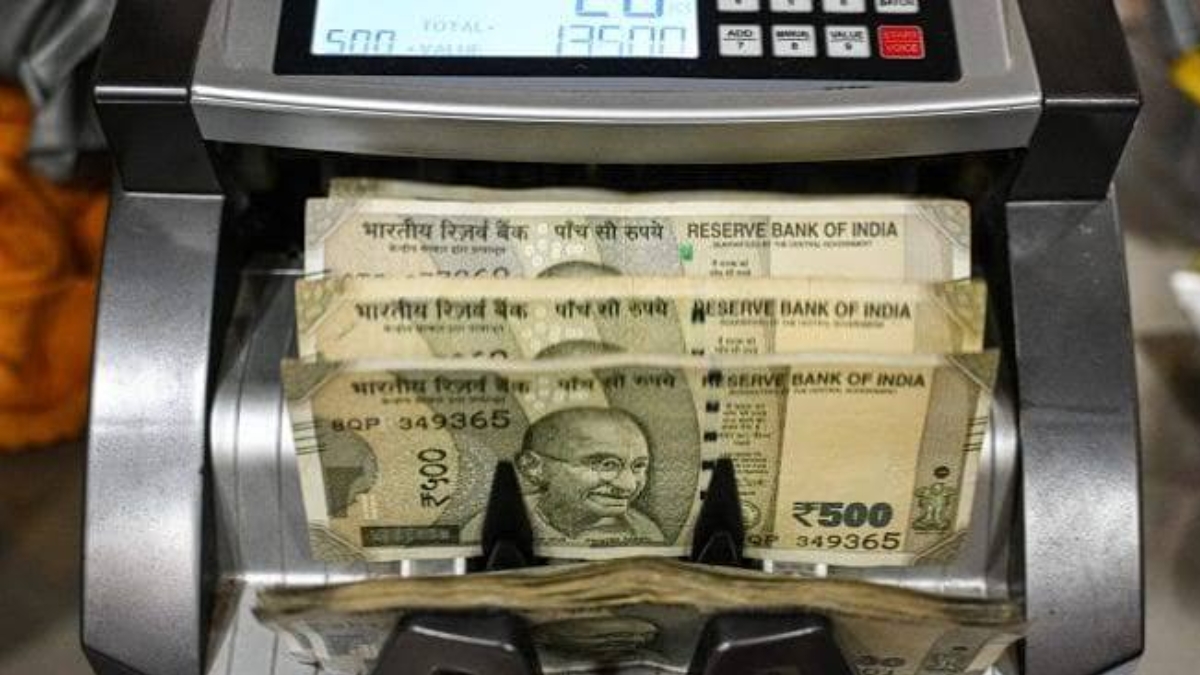





For young earners, buying an expensive smartphone can feel like a reward for hard work. But when does the desire to look successful start getting in the way of building wealth?
The first salary brings a new kind of freedom. A young professional can finally buy things without asking for money. And often, the first big purchase is a smartphone.
Friends are flaunting their latest devices, Instagram is flooded with unboxing videos and a perfectly functional phone suddenly feels outdated. An ₹80,000 smartphone starts looking less like an expense and more like a reward for all the hard work.
But there is a difference between buying something because it adds value and buying it because it makes life look better to others.
India’s premium smartphone obsession
India’s smartphone market is moving towards premium devices. According to Counterpoint Research, smartphones priced above ₹30,000 accounted for 22% of smartphone shipments in India in 2025, their highest ever share.
A July 2026 Counterpoint Research survey also found that 46% of prospective smartphone buyers in India were willing to stretch their budgets to purchase their preferred phone despite price increases. Among consumers aged 25 to 30, the figure was 52%.
These numbers do not mean everyone buys expensive phones for status. Better cameras, performance and software support can justify the premium. However, they highlight how willing consumers can be to spend beyond their original budgets for a device they desire.
For young professionals still building their savings, this creates a dilemma: should the money go towards a premium phone or towards financial security?
What does an ₹80,000 phone actually cost?
Consider someone earning ₹40,000 a month and choosing between a ₹15,000 smartphone and an ₹80,000 device.
The premium phone costs twice their monthly salary before deductions. The budget alternative costs less than half of one month’s salary.
The difference is ₹65,000. That money could help build an emergency fund, pay for professional training or contribute towards future investments.
Of course, a premium phone may offer better features and a longer useful life. The point is not that expensive phones are always a bad purchase. It is whether the additional benefits justify the additional cost.
The EMI trap
Monthly instalments can make an expensive purchase feel manageable. Instead of thinking about ₹80,000, buyers focus on a smaller monthly payment.
But an affordable EMI does not automatically make a purchase financially sensible.
If repayments leave little money for savings, rent or other priorities, the phone may be stretching the budget more than it appears. Interest and fees can also increase the total cost.
The real cost of keeping up
The phone that attracts compliments today may become ordinary tomorrow. A newer model arrives, attention shifts and the excitement fades. The money spent, however, does not return.
For someone whose main motivation is social recognition, this creates an uncomfortable trade off. The owner bears the full cost while the approval may last only a short time.
Choosing a budget phone and keeping the ₹65,000 difference could create room for savings, experiences or investments. For illustration, ₹65,000 invested at an assumed annual return of 10% could grow to approximately ₹1.05 lakh over five years, before taxes and charges. Actual returns are not guaranteed.
So, should young earners buy budget phones?
Not necessarily. A premium phone can be worth the money when its features genuinely matter and the purchase fits comfortably within the buyer’s finances.
But before upgrading, it helps to ask: is the phone being purchased for its usefulness or because everyone else seems to have one?
Affordable smartphones have expanded the choices available to consumers. For everyday needs such as messaging, digital payments, browsing and streaming, a budget device may be sufficient.
A smartphone can signal purchasing power, but it cannot tell anyone how financially secure its owner really is.
The real flex is not owning the most expensive phone. It is being able to afford the things that matter without sacrificing the financial freedom that makes them possible.
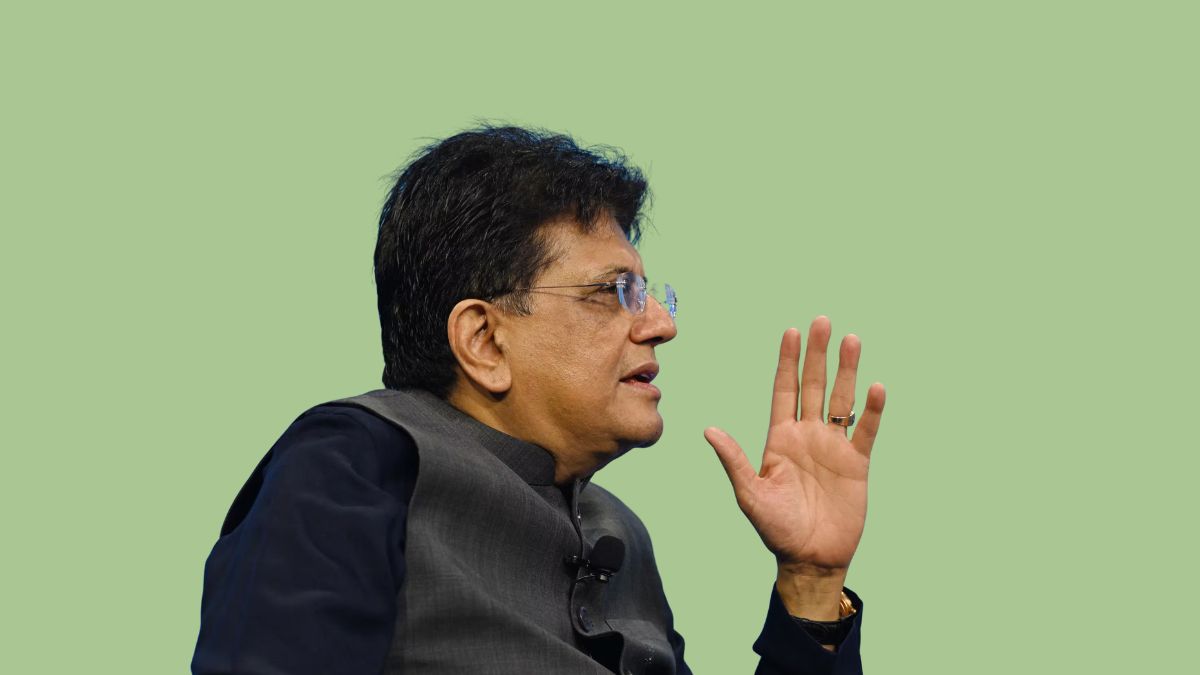
The first phase of the India-US trade agreement is in the final stages of legal drafting, with India seeking better market access and a competitive advantage for its exporters.
India and the United States are moving closer to finalising the first phase of their bilateral trade agreement, Commerce and Industry Minister Piyush Goyal said on Thursday. The agreement is currently undergoing legal drafting, with the government hoping to complete the process soon.
However, India wants to ensure that the deal gives its exporters a competitive advantage over businesses from other countries before it is implemented.
What Is the Latest Update?
According to Goyal, the first tranche of the India-US trade agreement has been finalised and is now going through the final stages of legal drafting.
Commerce Secretary Rajesh Agrawal also said negotiations were progressing in the right direction, with both countries working towards concluding and signing the agreement at the earliest.
However, the final timeline depends partly on the United States formalising its broader tariff framework. India is also seeking greater stability in tariffs and preferential access to the American market so that Indian exporters can compete effectively with businesses from other countries.
Why Does India Want a Competitive Advantage?
The US is India’s largest destination for merchandise exports, making trade terms between the two countries important for Indian businesses.
Preferential market access could help Indian exporters compete more effectively in the US by improving the tariff conditions under which their goods enter the market.
For example, if Indian products face lower tariffs than similar products from competing countries, they could become more attractive to American buyers. This could potentially help Indian businesses expand exports and secure new orders.
India is therefore looking beyond simply signing an agreement. It wants terms that allow its exporters to compete on favourable footing in the American market.
What Happens Next?
While the first phase has reached the legal drafting stage, some steps remain before the agreement can be signed and implemented. These include aligning the deal with the broader US tariff framework and resolving the remaining issues.
Separately, Goyal said the India-European Union free trade agreement is expected to be signed in December 2026 and could come into force in February or March 2027.
For India, these trade negotiations form part of a wider effort to strengthen international trade ties and improve opportunities for domestic businesses.
Source: The Economic Times

Unlike several major IPOs where existing investors sell their stakes, Jio Platforms’ upcoming public issue will raise fresh capital for the company, with most of the proceeds earmarked for debt repayment.
India’s IPO market is gearing up for a major milestone. Jio Platforms, the digital services arm of Reliance Industries, is preparing to launch a ₹30,213 crore initial public offering (IPO), which could become the country’s largest-ever public issue.
But the size of the offering is not the only thing setting it apart. The structure of Jio’s IPO makes it different from several large listings seen in India over the past few years.
A Fresh Issue, Not an Investor Exit
Jio Platforms’ IPO will consist entirely of newly issued shares, with no offer-for-sale (OFS) component. This means existing shareholders will not be selling their shares as part of the public issue.
In an OFS, existing investors or promoters sell some of their holdings to public investors. The money from that sale goes to the shareholders selling their stakes rather than to the company itself.
A fresh issue works differently. The company creates and issues new shares to raise capital, which it can then use for specified business purposes.
For Jio Platforms, this means the funds raised through the IPO will go to the company, rather than serving as an exit route for its existing investors, including Reliance Industries, Meta and Google.
Where Will the IPO Money Go?
A significant portion of the proceeds will be used to repay or prepay borrowings of Reliance Jio Infocomm, Jio Platforms’ telecom subsidiary.
The company has earmarked up to ₹27,500 crore of the net proceeds for this purpose, with the remaining funds intended for general corporate purposes. At the upper end of the IPO’s price band, the debt repayment allocation accounts for approximately 91% of the total issue size.
Reducing debt can help lower interest expenses and strengthen a company’s balance sheet. For Jio, the proposed repayment could support its financial position as it continues to expand its digital and telecom businesses.
When Is the IPO Opening?
Jio Platforms has fixed a price band of ₹1,065 to ₹1,119 per share. The public issue is scheduled to open on October 21 and close on October 23, 2026, with anchor investor bidding planned for October 19.
At the upper end of the price band, the company could raise ₹30,213 crore, surpassing Hyundai Motor India’s ₹27,859 crore IPO in 2024.
The offering values Jio Platforms at approximately ₹10.3 lakh crore, making it one of the most significant listings in India’s capital markets.
A Growing Business Heads to the Stock Market
The IPO comes as Jio Platforms continues to expand its presence across telecommunications and digital services. In FY26, the company reported revenue from operations of approximately ₹1.47 lakh crore, while its net profit rose to ₹30,049 crore.
Its subscriber base has also grown substantially since Reliance Jio entered the telecom market in 2016, disrupting the industry with affordable data and voice services.
The listing will give public-market investors an opportunity to invest directly in Jio Platforms and provide a market valuation for Reliance Industries’ digital business.
For investors, however, the size of an IPO alone does not determine whether it is a suitable investment. The company’s valuation, financial performance, future growth prospects and risks all matter when evaluating a public issue.
Source: Moneycontrol
-
 Podcast1 year ago
Nitin Jain: From IIT to Investment Titan, Managing ₹60,000 Crore AUM
-
 News3 weeks ago
SC Says No Stay On New UPI Charges Above ₹2,000
-
 News4 weeks ago
NSE Makes Long-Awaited Market Debut After ₹22,562-Crore IPO
-

 Explainer5 months ago
How Much SIP Do You Need to Build ₹1 Crore? The Power of Time and Compounding
-
 Podcast2 years ago
From ₹1 Lakh Lost to Managing ₹650 Crore: How Divam Sharma of Green Portfolio Built a Fundamental Investing Approach
-
 Podcast4 months ago
Can ₹200 SIPs Create India’s Next Investing Revolution? Ravi Kumar Jha’s Big Bet On Financial Inclusion
-
 Podcast1 year ago
From ₹1 Lakh Lost to Managing ₹650 Crore: How Divam Sharma of Green Portfolio Built a Fundamental Investing Approach
-
 Podcast2 months ago
Simple Hai! @ 100: Celebrating a Milestone in Making Finance Simple