
News
The Hidden Cost of Going Green: How Biofuel Policies Could Impact Food Prices and Forests

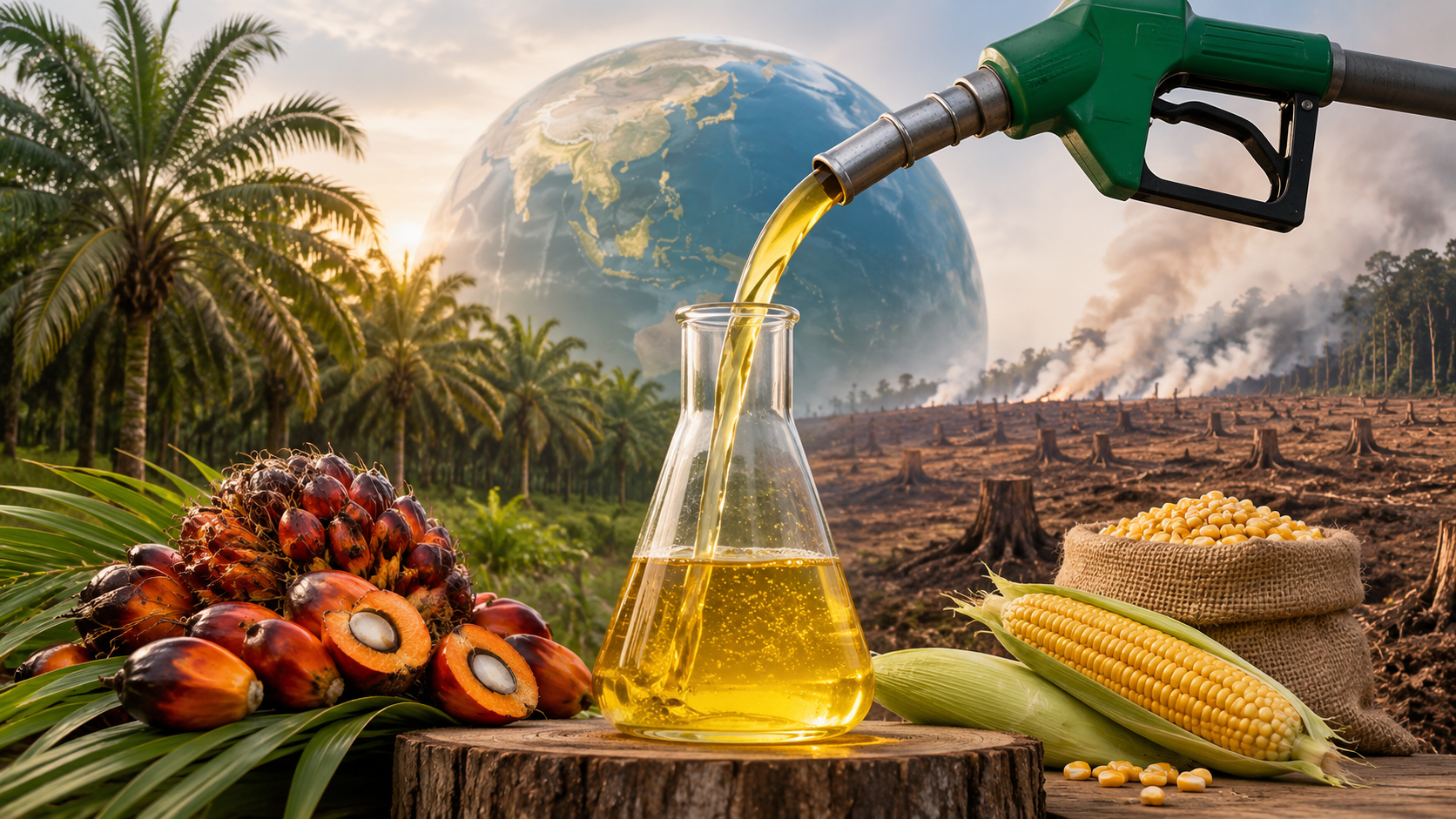
The shift towards cleaner energy is often seen as a win for the environment. Countries are increasingly turning to biofuels to reduce their dependence on imported crude oil. But what happens when the push for cleaner fuel starts putting pressure on food production, agricultural land and forests?
Indonesia and India offer two interesting examples of how energy policies can have consequences beyond the fuel tank.
Indonesia Is Getting Paid to Save Its Forests
In 2022, Norway and Indonesia signed an agreement under which Norway promised to pay Indonesia up to $1 billion for reducing emissions caused by deforestation and forest degradation. The agreed rate was $5 for every tonne of emissions avoided.
Now, Indonesia is set to receive around $90 million after reducing these emissions by approximately 270 million tonnes between 2020 and 2023.
However, there is a contradiction. While Indonesia is receiving money for protecting its forests, forest fires have continued to damage its national parks. By September 2026, more than 70,000 hectares of land across 47 national parks had reportedly burned.
One of the reasons behind this challenge is palm oil.
Why Palm Oil Could Become an Environmental Problem
Indonesia is the world’s largest producer of palm oil. As demand for this commodity grows, plantation owners have an incentive to expand production, which can mean clearing more land.
Interestingly, palm oil prices also influence deforestation. A 2022 study found that a 1% fall in palm oil prices was associated with a 0.68% decline in forest loss. Lower prices can reduce the incentive to clear additional land for plantations.
But Indonesia’s energy policy could change this equation.
The country has introduced a B50 biodiesel mandate, which requires diesel to contain 50% biodiesel, largely made from palm oil. The objective is to reduce dependence on imported fossil fuels and improve energy security.
The challenge is that Indonesia already consumes a significant portion of its palm oil domestically. In 2024, around 53% of its total production was used within the country, even under the earlier B35 blending requirement.
With B50, domestic demand could increase further. This could support palm oil prices and encourage plantation owners to expand production.
Indonesia has already doubled its oil palm plantation area between 2001 and 2019, taking it to approximately 16 million hectares. Estimates suggest that achieving the B50 target by 2030 could require converting another 8.5 million hectares of land.
The Problem With Turning Forests Into Fuel
One of the biggest concerns is the possible conversion of peatlands into palm oil plantations.
Peatlands are areas of waterlogged soil that store enormous amounts of carbon accumulated over thousands of years. They act as natural carbon sinks and play an important role in controlling greenhouse gas emissions.
However, oil palm trees cannot grow well in waterlogged conditions. To make these areas suitable for plantations, the land is drained through canals. This exposes the stored organic matter to oxygen, releasing carbon dioxide into the atmosphere.
Drained peatlands also become more vulnerable to fires.
This creates a problem for biodiesel. While biodiesel is intended to reduce emissions by replacing fossil fuels, clearing forests and draining peatlands to produce it can create a significant carbon footprint.
A 2008 study published in Science estimated that palm biodiesel produced from cleared tropical rainforest could take around 86 years to repay its carbon debt. If the plantation replaces tropical peatland rainforest, that period could stretch to approximately 420 years.
In other words, a fuel designed to be cleaner could take centuries to deliver its climate benefits.
India’s Ethanol Push Has Its Own Set of Challenges
The story is not very different in India, although the biofuel in focus is ethanol rather than palm-based biodiesel.
India has been promoting ethanol blending to reduce its dependence on imported crude oil. However, as demand for ethanol has increased, so has the demand for the crops used to produce it.
Ethanol demand has grown from 1.7 billion litres in 2019-20 to a projected 12 billion litres in 2025-26.
Sugarcane and corn have increasingly become important raw materials. Corn, in particular, has seen its contribution to India’s ethanol blending programme rise from almost nothing in 2021-22 to around 37% in 2025-26.
But corn is not used only for fuel. It is also a key ingredient in poultry feed.
As ethanol manufacturers compete with poultry farmers for the same crop, feed costs can increase. This eventually puts pressure on the prices of eggs and chicken.
There is another concern. Farmers may prefer growing crops that offer better returns. The Economic Survey 2025-26 has flagged a shift towards corn and away from pulses and oilseeds.
If this trend continues, India could become even more dependent on imported edible oils.
How India’s and Indonesia’s Policies Are Connected
This is where the two countries’ stories come together.
India is the largest export market for Indonesian palm oil. If Indian farmers increasingly move towards growing corn instead of oilseeds, India may need to import more edible oils.
At the same time, Indonesia’s growing domestic demand for palm oil for biodiesel could leave less supply available for exports.
Both countries are trying to reduce their dependence on imported crude oil. But the consequences could show up elsewhere.
For India, it could mean higher food prices and greater dependence on edible oil imports. For Indonesia, it could mean more pressure on forests, peatlands and carbon emissions.
The government has already begun adjusting its ethanol policy. For 2026-27, oil companies have been asked to stop procuring ethanol made from sugarcane juice, sugar syrup and raw sugar. The additional incentive for corn-based ethanol has also been reduced from ₹5.79 to ₹2.79 per litre.
However, reducing demand for one crop could simply shift the pressure to another.
Can Countries Make Biofuels More Sustainable?
There are ways to reduce these unintended consequences.
For Indonesia, improving productivity on existing plantations could be a better alternative to clearing additional land. Smallholders manage around a third of the country’s oil palm plantation area. Better-quality seedlings and improved farming practices could help increase yields without expanding plantations.
Governments could also make biofuel blending targets more flexible. Instead of following fixed targets regardless of crop availability and prices, blending requirements could be adjusted when agricultural commodities become scarce or expensive.
Another option is to explore alternatives beyond food crops. Used cooking oil, agricultural waste and crop residues can be used to produce biofuels without creating the same pressure on farmland.
The Bigger Picture: Energy Security Should Not Come at the Cost of Food Security
The move towards cleaner energy is important, but the way countries approach it matters just as much.
Reducing dependence on imported oil is a valid economic and strategic goal. However, if achieving it makes food more expensive, increases edible oil imports or leads to the destruction of forests, the benefits become harder to justify.
There is also an economic question worth considering. Plantations generate revenue through every harvest, while forests provide benefits such as carbon storage, water conservation and protection against fires that are not always reflected in their financial value.
Until protecting these natural resources becomes economically rewarding too, forests will continue to compete with more profitable uses of land.


News
NSE Becomes World’s Fifth-Largest Stock Exchange, Enters India’s Top 10 Most Valuable Companies

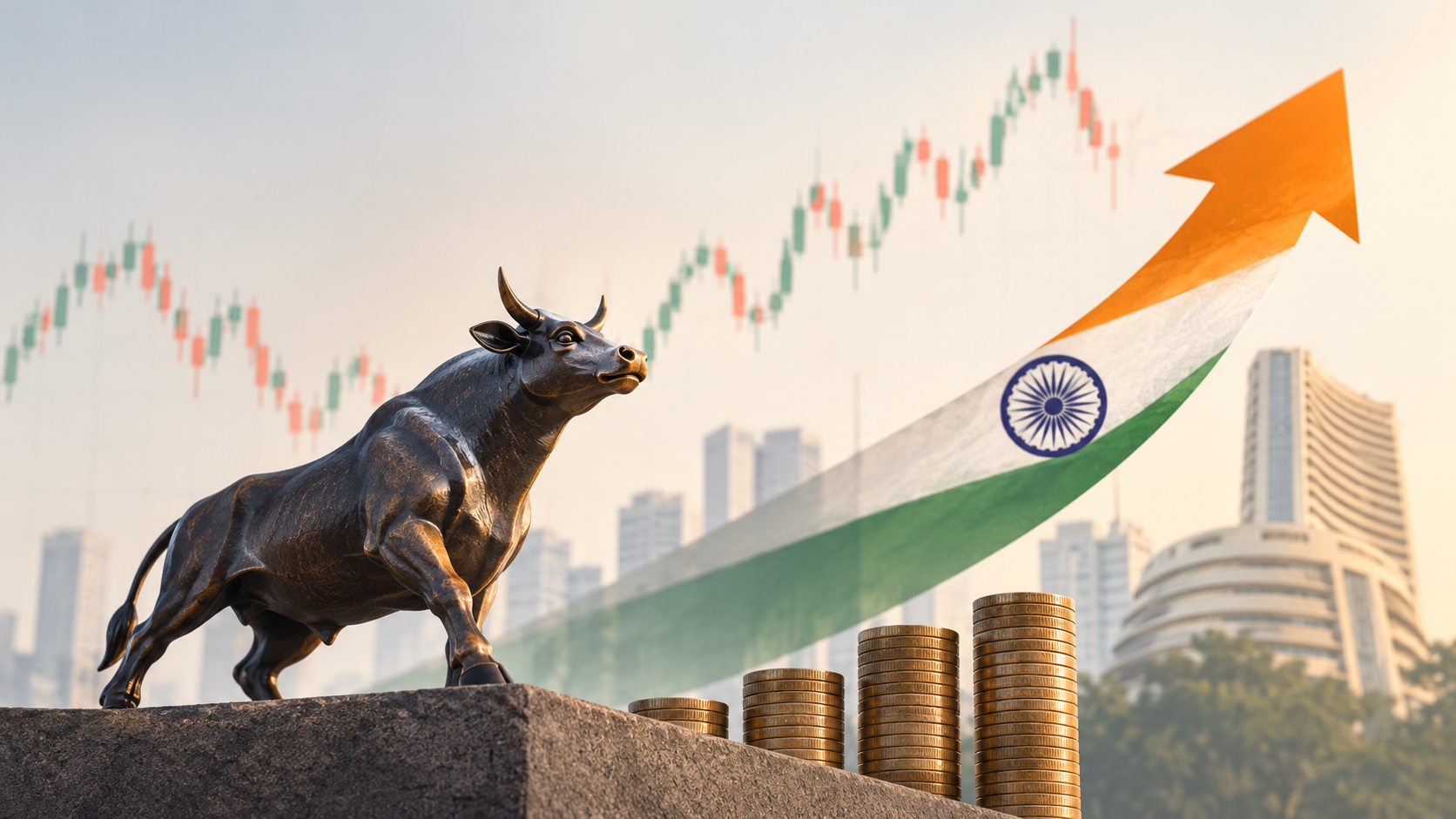
India’s National Stock Exchange (NSE) has added another milestone to its journey, becoming the world’s fifth-largest publicly traded stock exchange operator by market capitalisation. In the process, it has moved ahead of global names such as Nasdaq and Hong Kong Exchanges and Clearing (HKEX).
The development comes as NSE’s share price continues to gain momentum following its much-awaited stock market debut in September. At the latest market price on November 20, 2026, the exchange’s market capitalisation stood at approximately ₹5.56 lakh crore (US$59.7 billion).
This places NSE ahead of HKEX, valued at around US$58.1 billion, and Nasdaq, at approximately US$57.7 billion.
NSE Joins the World’s Five Most Valuable Exchange Operators
The latest ranking puts NSE among some of the biggest exchange businesses in the world.
CME Group leads the list with a market capitalisation of approximately US$111.05 billion, followed by Intercontinental Exchange at US$95.5 billion. Deutsche Börse and London Stock Exchange Group occupy the third and fourth positions, respectively, with valuations of around US$65 billion and US$60.3 billion.
NSE follows in fifth place with a valuation of US$59.7 billion.
This is a significant development for India’s capital markets. It also reflects the growing scale of NSE as a business, beyond its role as a platform where millions of investors and traders participate in the financial markets.
NSE Becomes India’s Ninth Most Valuable Listed Company
The global milestone is accompanied by another domestic achievement.
At a market capitalisation of approximately ₹5.56 lakh crore, NSE has become the ninth most valuable listed company in India, moving ahead of Kotak Mahindra Bank, whose market capitalisation stood at around ₹5 lakh crore.
The top positions in the Indian market continue to be occupied by companies such as Reliance Industries, Bharti Airtel, HDFC Bank, ICICI Bank and State Bank of India.
NSE’s entry into the country’s top 10 places it alongside some of India’s largest businesses and financial institutions.
From Its IPO to a ₹5.56 Lakh Crore Market Capitalisation
The milestone is particularly noteworthy given how recently NSE entered the public markets.
After years of anticipation, NSE launched its ₹22,561-crore initial public offering (IPO) in September 2026. The issue was an offer for sale (OFS), allowing existing shareholders to sell a portion of their holdings rather than raising fresh capital for the exchange.
The IPO was subscribed 5.69 times during the bidding period from September 17 to September 21. NSE shares subsequently made their stock market debut on the BSE on September 24, listing at ₹1,800 against an issue price of ₹1,785.
Since then, the stock’s market value has continued to rise. On November 20, shares were trading at ₹2,236.10 at the time of the latest market report, taking the exchange’s valuation to approximately ₹5.56 lakh crore.
What Makes NSE Such a Significant Player?
NSE’s growing valuation also brings attention to the scale of its operations.
Established in 1992, the exchange began operations in 1994 and has played a major role in transforming India’s financial markets through electronic trading.
Today, its business spans equities, equity derivatives, currencies, commodities, clearing and settlement, indices and market data.
According to NSE’s November 2026 investor presentation, the exchange had 13.7 crore unique registered investors as of September 30, 2026, with its network covering over 99% of India’s postal codes.
It also accounted for around 93% of India’s cash market share during the first half of FY27 and nearly 100% of equity futures market share.
NSE was also ranked the world’s largest equity derivatives exchange by trading volume in 2025, according to the Futures Industry Association ranking cited by the exchange.
A New Chapter for India’s Capital Markets
NSE’s latest market capitalisation milestone is more than just a ranking change. It highlights the growing scale and significance of India’s capital market infrastructure.
From enabling electronic trading in the 1990s to becoming one of the world’s most valuable publicly traded exchange operators, NSE’s journey reflects how much India’s financial ecosystem has evolved.
And with its market capitalisation now at approximately ₹5.56 lakh crore, the exchange has firmly placed itself among India’s largest listed businesses.
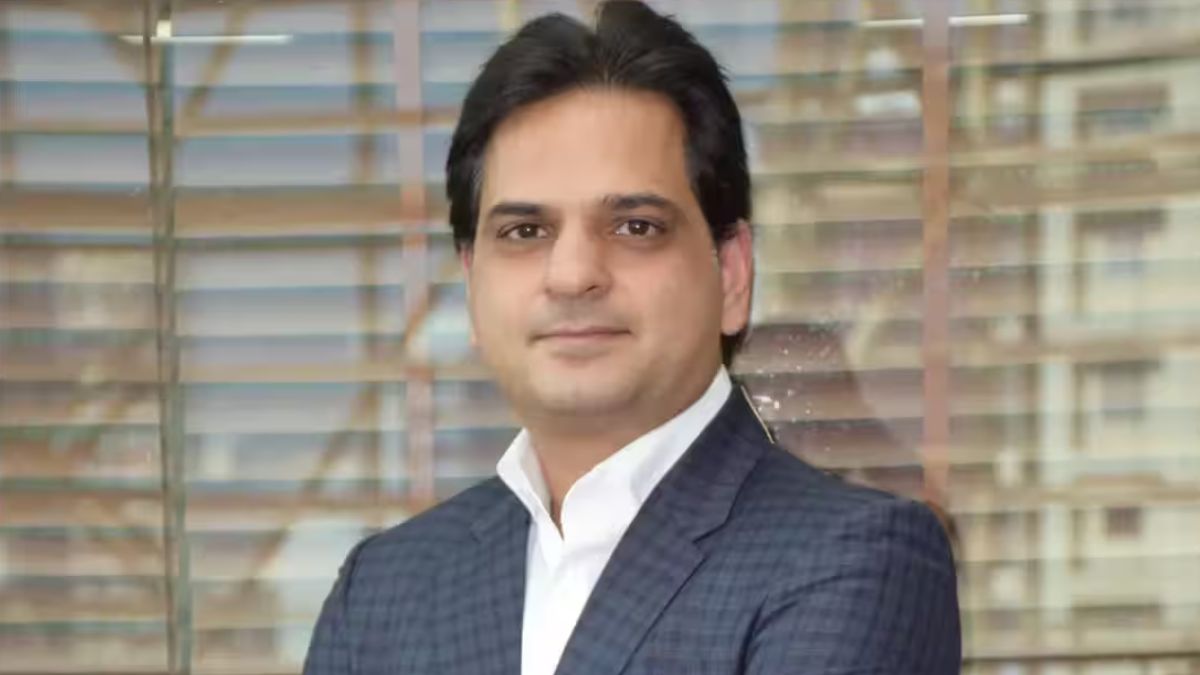
A new chapter begins for Akhil Chaturvedi. After concluding his 13.5-year association with Motilal Oswal Asset Management Company, Chaturvedi has joined ASK Asset Management Private Limited as its Chief Executive Officer (CEO).
The appointment marks another significant milestone in a career spanning over 25 years across asset management, sales and distribution, product development and business growth.
ASK Asset Management announced the appointment, welcoming Chaturvedi as the company looks to begin its next chapter under his leadership. With extensive experience in the mutual fund and asset management industry, he brings a strong understanding of India’s evolving investment landscape.
A Career Built Across Asset Management
Before joining ASK Asset Management, Chaturvedi spent over 13.5 years at Motilal Oswal AMC. He joined the organisation in July 2013 as Senior Vice President and Head of Sales and Distribution, eventually rising to become Executive Director and Chief Business Officer (CBO).
During his association with the company, he was actively involved in driving growth strategies across mutual funds and alternative products.
His professional journey also includes associations with Birla Sun Life Mutual Fund and Daiwa Mutual Fund, where he gained experience across different aspects of the asset management business.
Chaturvedi holds an MBA in Marketing and an MA in Accounting and Finance from the University of Leeds, UK. He is also a Financial Planning Standards Board-accredited Certified Financial Planner and has undertaken additional programmes in sales, management and strategy at institutions including ISB Hyderabad and Cornell University.
A New Chapter at ASK
His appointment comes after a long association with Motilal Oswal AMC, which he described as a journey shaped by professional growth, mentorship and lasting relationships.
In his farewell message, Chaturvedi had written, “I joined Motilal Oswal to build a career. I leave having built relationships, gained invaluable lessons and created memories that will last a lifetime.”
Now, as he takes charge as CEO of ASK Asset Management, Chaturvedi brings more than two decades of industry experience to his new role.
For the asset management industry, this marks another leadership move, while for Chaturvedi, it is the beginning of a new professional chapter.

A New Recognition for a Familiar Voice in Indian Finance
Radhika Gupta, Managing Director and CEO of Edelweiss Mutual Fund, has been named to TIME’s inaugural TIME100 Next India list, recognising 100 emerging leaders shaping India’s future across business, technology, entertainment, sports and other fields. PR Newswire+1
For Gupta, the recognition comes at a time when India’s relationship with money and investing is changing. More people are exploring mutual funds, starting Systematic Investment Plans (SIPs) and looking at ways to build wealth over the long term. Her work has been closely connected to making this shift easier to understand and participate in.
Making investing simpler for everyday Indians
Under Gupta’s leadership, Edelweiss Mutual Fund has recorded significant growth. Between October 2022 and October 2025, the fund house’s assets under management (AUM) increased from approximately ₹91,000 crore to ₹1.64 lakh crore, marking a growth of over 80%.
Its monthly SIP book also crossed ₹500 crore in October 2025, rising from ₹142 crore three years earlier. The number of investor folios more than tripled to 31.5 lakh during the same period. The Economic Times+1
But Gupta’s approach to finance goes beyond numbers. She has often spoken about the importance of making investing less intimidating for first-time investors. Her philosophy of dal chawal investing reflects this belief: simple, everyday financial habits and solutions that help people stay invested rather than constantly chase complicated strategies.
The idea is straightforward. Building wealth does not always require complex financial products or constant market activity. Sometimes, consistency, patience and the power of compounding can do much of the work.
Taking financial conversations beyond the boardroom
Gupta has also built a strong public voice around financial literacy and career development. A former investor on Shark Tank India, she has used public platforms to make conversations around money, ambition and professional growth more approachable.
Through her books, Limitless and Mango Millionaire, she has explored subjects ranging from career growth and overcoming challenges to understanding personal finances and developing healthier money habits.
She has also been candid about her own experiences, including facing bullying over her appearance while growing up and navigating challenges in her professional journey. By speaking openly about these experiences, she has made conversations around confidence, resilience and leadership more relatable, particularly for women.
In a country where financial decision-making has traditionally not always been equally encouraged among women, voices that make money conversations more accessible can play an important role in changing that mindset.
The next generation of investors
Sharing the news of her recognition, Gupta credited her team at Edelweiss Mutual Fund and highlighted the opportunity ahead in India’s financial savings journey. She emphasised the importance of simple innovations, everyday investing habits and the long-term power of compounding.
Her message also pointed towards an important shift: India’s wealth creation story will not be shaped only by large investors and financial institutions, but also by ordinary individuals who are beginning to participate in the markets.
Being featured on TIME’s inaugural TIME100 Next India list is an important recognition of Gupta’s contribution to this evolving financial landscape.
And perhaps the bigger takeaway is this: making finance easier to understand is not just about simplifying numbers. It is about helping more people feel confident enough to take charge of their financial futures.
-
 News2 months ago
SC Says No Stay On New UPI Charges Above ₹2,000
-
 Podcast1 year ago
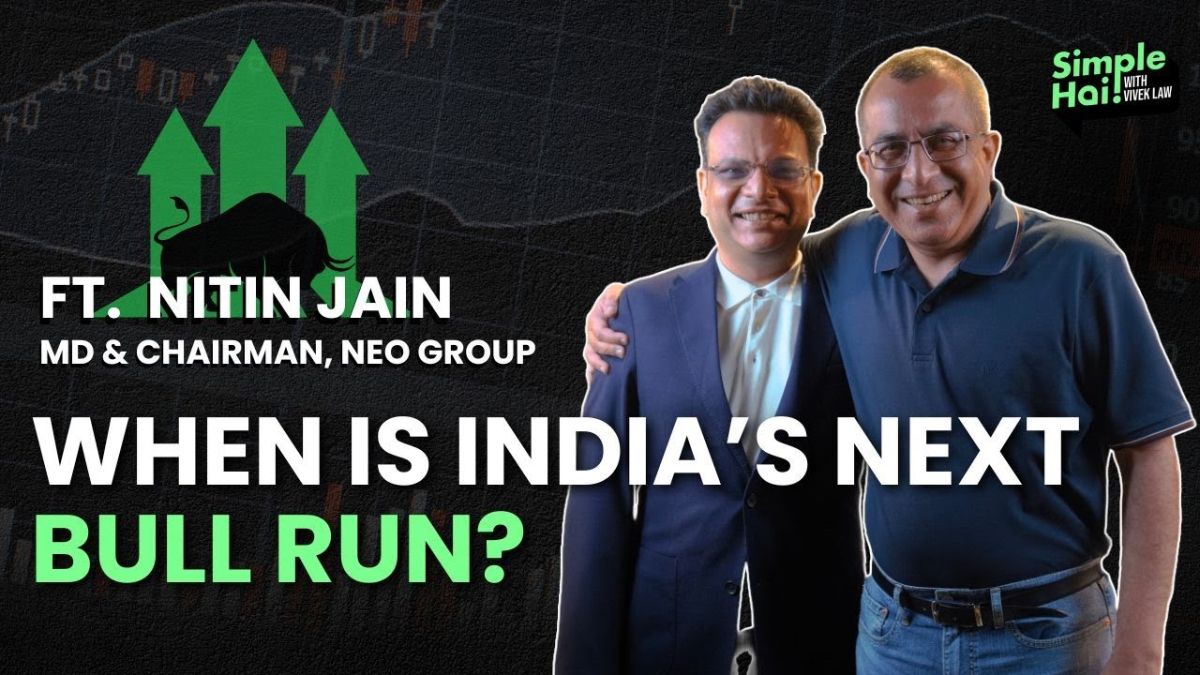
Nitin Jain: From IIT to Investment Titan, Managing ₹60,000 Crore AUM
-
 News2 months ago
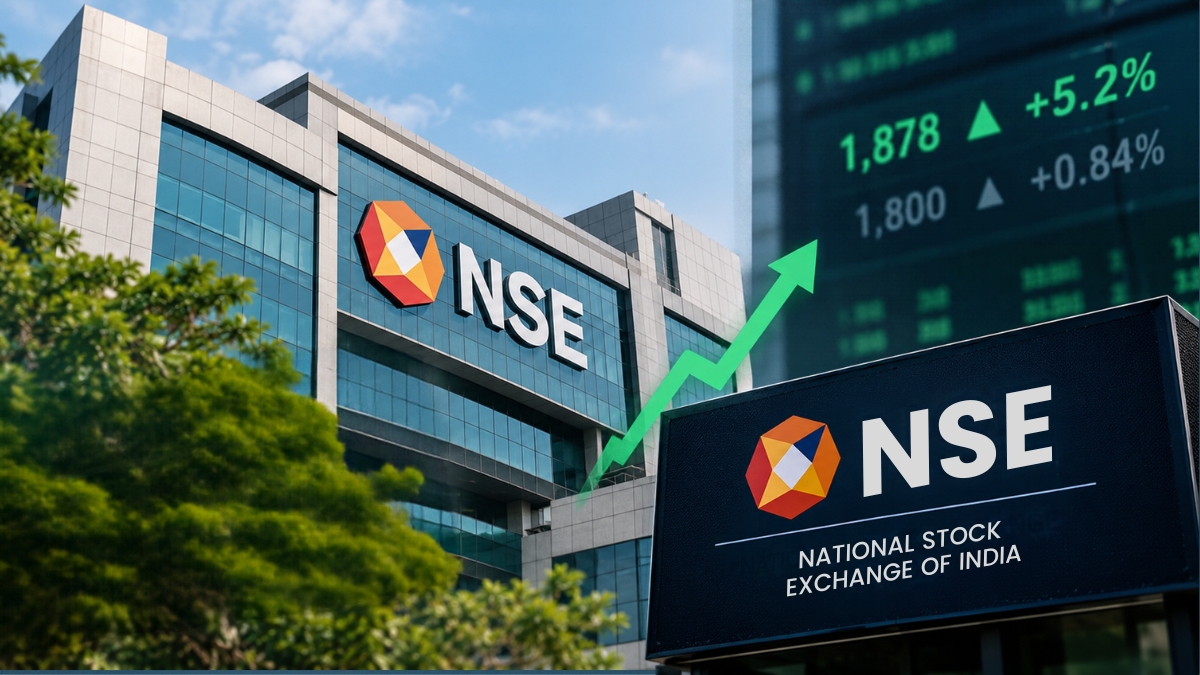
NSE Makes Long-Awaited Market Debut After ₹22,562-Crore IPO
-

 Explainer6 months ago
How Much SIP Do You Need to Build ₹1 Crore? The Power of Time and Compounding
-
 Podcast2 years ago
From ₹1 Lakh Lost to Managing ₹650 Crore: How Divam Sharma of Green Portfolio Built a Fundamental Investing Approach
-
 Podcast5 months ago
Can ₹200 SIPs Create India’s Next Investing Revolution? Ravi Kumar Jha’s Big Bet On Financial Inclusion
-
 News1 month ago
UPI Charges on Payments Above ₹2,000 Delayed Until After Diwali
-
 IPO Watch1 month ago
Jio IPO 2026: How the ₹30,213 Crore Issue Will Use Its Funds