News
SEBI Proposes Wider Access for FPIs in Commodity Derivatives


The Securities and Exchange Board of India (SEBI) is considering a proposal to allow Foreign Portfolio Investors (FPIs) to participate in physically settled non-agricultural commodity derivatives in India. The move could increase foreign investor participation in the country’s commodity markets, improve liquidity and strengthen price discovery. SEBI is expected to seek public feedback before taking a final decision.
A New Route for Foreign Investors Into Commodity Markets
Currently, FPIs can participate in certain exchange-traded commodity derivatives, but their access is largely limited to cash-settled contracts. Under cash settlement, investors receive or pay the difference between the contract price and the final settlement price instead of dealing with the physical commodity.
SEBI is now considering allowing FPIs to trade in physically settled non-agricultural commodity derivatives. These could include contracts linked to commodities such as gold, silver, crude oil and natural gas.
However, FPIs would not be allowed to remain in these positions until physical delivery.
FPIs Would Have to Exit Before Physical Delivery Begins
Under the proposed framework, FPIs would have to close their positions or roll them over at least three days before the delivery period begins.
This is intended to ensure that foreign investors do not end up having to take physical delivery of commodities in India.
If an FPI fails to exit or roll over its position within the specified timeframe, the position could be transferred to a designated trading or clearing member.
The transfer would take place at the applicable settlement price declared by the exchange. The designated member would then take responsibility for managing the position and any delivery-related obligations.
Why SEBI Wants More Foreign Participation
The proposal is aimed at deepening India’s commodity derivatives market.
Greater participation from foreign investors could bring additional liquidity and improve the ability of buyers and sellers to transact efficiently. It could also contribute to better price discovery by bringing more global participants and perspectives into the market.
Foreign investors already participate in physically settled commodity derivatives across several major global markets. SEBI’s proposal could therefore bring India’s framework closer to international practices.
The Challenge: Foreign Investors Taking Physical Delivery
The existing restrictions are partly linked to the practical difficulties FPIs could face if they were required to take physical delivery.
Foreign investors may not have the infrastructure needed to handle physical commodities in India. They could also face regulatory and tax-related requirements associated with physical transactions.
The proposed exit mechanism is designed to address these concerns while giving FPIs wider access to commodity derivatives.
A Safety Net If FPIs Fail to Exit
The proposed framework also provides a mechanism for positions that remain open beyond the permitted period.
FPIs participating in these contracts would need to have an arrangement with a designated broker or clearing member. If a position remains open beyond the required exit period, it could be transferred to the member’s proprietary account.
The broker or clearing member would then assume responsibility for the position and manage the associated risks.
The framework could also include a pre-agreed charge or penalty if the broker has to take over a position because the FPI failed to exit it on time.
What Could Change for India’s Commodity Market?
If implemented, the proposal could significantly expand foreign investor participation in India’s commodity derivatives market.
Higher participation could increase trading volumes and market depth, while potentially improving price discovery. It could also bring Indian commodity markets closer to global practices.
For domestic market participants, increased liquidity could make it easier to enter and exit positions. At the same time, the proposed safeguards are intended to limit the operational risks associated with physical settlement.
SEBI had allowed FPIs to participate in exchange-traded commodity derivatives in 2022, but their participation was initially restricted to cash-settled non-agricultural commodity derivatives and related indices. The latest proposal would expand that access to physically settled contracts.
The Proposal Is Not Final Yet
The proposal is still at the consultation stage and does not immediately allow FPIs to trade in physically settled commodity derivatives.
SEBI is seeking feedback from market participants and other stakeholders before finalising the framework. The consultation process will help determine whether any changes are required to the proposed mechanism.
If approved, the move could give foreign investors wider access to India’s commodity markets while ensuring that they do not have to directly handle physical delivery.
Overall, the proposal could be an important step towards making India’s commodity derivatives market deeper, more liquid and more closely aligned with global markets.
Source: MoneyControl

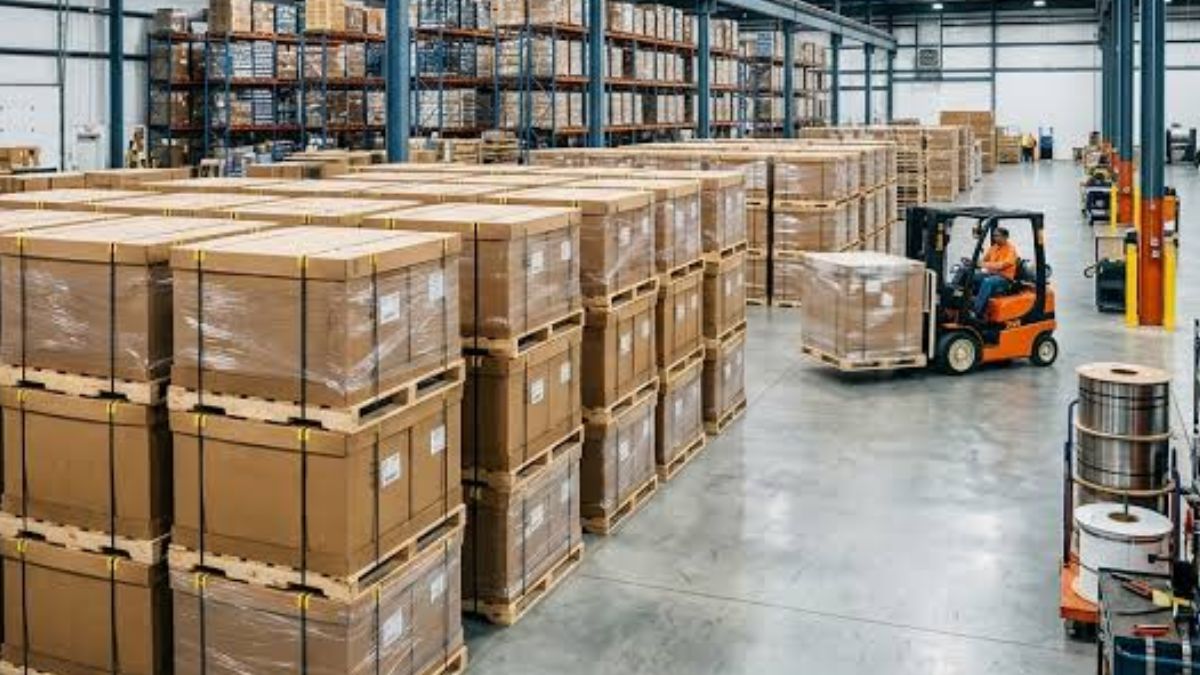
From shampoo bottles to snack packets, higher plastic prices are putting pressure on brands. Consumers could feel the impact through higher prices, smaller packs and changes in packaging.
The next time you pick up a packet of chips, a bottle of shampoo or a container of your favourite household product, you might notice a change. It may not be a completely new product or a different brand, but a smaller pack, lighter packaging or a slightly higher price.
Behind these changes is a growing challenge for consumer goods companies: rising packaging costs.
Plastic raw material prices have increased by around 15–20% in recent months, putting pressure on businesses that depend on plastic bottles, wrappers, containers and other forms of packaging. For companies operating in sectors such as food, beverages, personal care and household products, packaging is a necessary expense that can directly affect their overall costs.
Why Is Packaging Becoming More Expensive?
Packaging accounts for a significant portion of the total cost of many consumer products. According to the report, packaging can make up around 15–25% of a product’s total cost, with the share varying across categories.
The recent increase in plastic prices has made this expense harder to manage. Companies that manufacture everything from snack packets and shampoo bottles to food containers are now looking for ways to control their spending without compromising product quality.
Some businesses are exploring lighter packaging, reducing the amount of plastic used in individual products or switching to recycled materials. Others are trying to negotiate better prices with suppliers by purchasing raw materials in larger quantities.
However, these adjustments are not always easy. Packaging needs to protect products, maintain their quality and meet safety requirements. For certain products, changing the packaging material or design can take months of testing and planning.
Will Consumers Have to Pay More?
When businesses face higher production costs, they generally have a few options. They can absorb the additional expense, increase product prices or make changes to the quantity and packaging of their products.
For consumers, this could mean paying more for familiar everyday essentials. Alternatively, brands may keep prices unchanged but reduce the size of a pack, giving customers less of the product for the same amount of money.
This is particularly relevant for packaged food, personal care products and household essentials, which people purchase regularly. Even a small increase in the price of an individual product can add up when it becomes part of a monthly shopping routine.
For households already managing expenses such as rent, groceries, transport and utility bills, these small changes can make budgeting more challenging.
Smaller Packs, Lighter Bottles and New Materials
Rather than immediately increasing prices, some companies are attempting to redesign their packaging.
Snack manufacturers, for instance, are exploring ways to reduce the size of their packets and use less material. Personal care brands are looking at lighter bottles, modified caps and packaging that requires less plastic.
Recycled plastic is another option being considered by companies. Materials such as recycled PET and HDPE can help businesses reduce their dependence on virgin plastic, although their availability, quality and cost remain important considerations.
These changes may help companies manage their expenses over time. However, switching materials or redesigning packaging requires investment, and the savings may not be immediate.
What Does This Mean for Your Monthly Budget?
Packaging costs are only one part of the larger picture behind retail prices. Raw materials, transportation, labour and distribution costs can also influence what consumers ultimately pay.
Still, rising packaging expenses offer a useful reminder that inflation does not always arrive as a big, noticeable price hike. Sometimes, it appears through smaller packs, changes in product sizes or gradual increases in the prices of things we buy every day.
For consumers, the practical step is to look beyond the price printed on the packet. Comparing the price per gram, litre or unit can help you understand whether a product has actually become more expensive.
It is also worth reviewing recurring grocery and personal care expenses rather than assuming that familiar products will continue to cost the same.
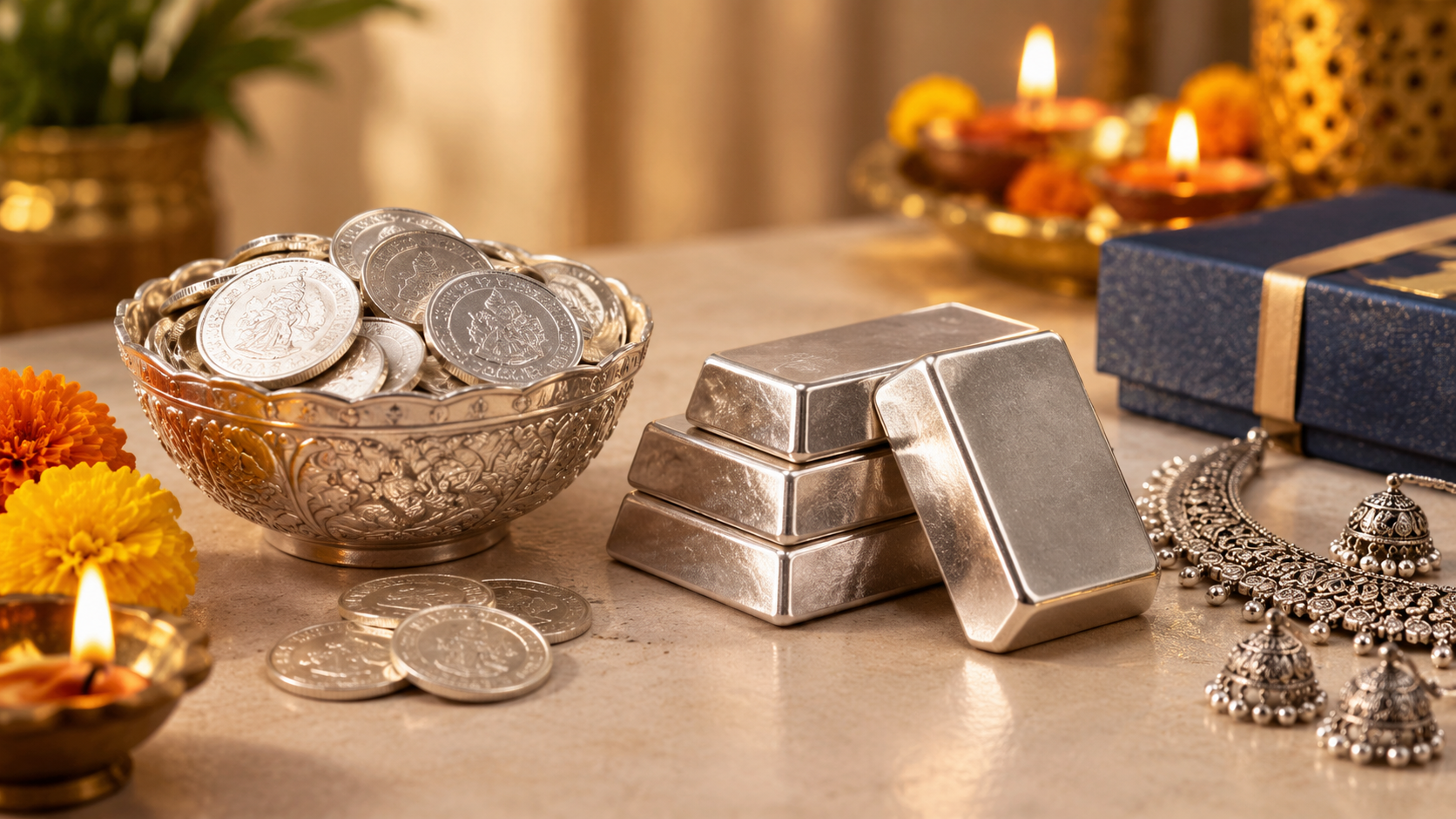
India’s silver imports are expected to recover ahead of Diwali after the government issued fresh import permits covering 6,000 tonnes of the precious metal. The move comes as traders prepare for the festive season, when demand for silver jewellery, coins and bars typically increases.
According to Bloomberg, the new permits are expected to ease supply constraints that had affected shipments earlier this year, helping silver become more readily available in the domestic market.
Why Were Silver Imports Falling?
India imports almost all the silver it consumes, making domestic availability dependent on overseas supplies. Earlier this year, the government introduced stricter licensing requirements for silver imports as part of efforts to protect foreign exchange reserves and support the rupee.
Under the revised rules, importers must obtain permits, and shipments require documentation confirming the country of origin. The government also increased import duties on gold and silver, raising the cost of bringing the metals into India.
These measures contributed to a sharp decline in silver imports. Monthly shipments fell to a low of 37 tonnes in June before recovering to 328 tonnes in September, according to estimates cited in the report.
The latest permits are expected to help traders meet rising demand during the festive period without facing the same supply pressures.
What Does This Mean for Silver Prices?
Limited availability had pushed Indian silver prices above international benchmarks. However, the situation has started to improve as additional import permits have been granted.
The premium Indian buyers paid over the global benchmark fell to around 50 cents per ounce on October 22, compared with approximately $2 the previous week, according to the report.
Last year, India imported more than 7,000 tonnes of silver. This year, import volumes have been affected by tighter regulations and higher costs.
While the fresh permits could ease domestic supply pressures, they do not necessarily mean that silver prices will decline. International market movements, currency fluctuations, import duties and retail charges will continue to influence the final price consumers pay.
What Should Buyers Keep in Mind This Diwali?
For consumers planning to buy silver during Dhanteras or Diwali, improved availability could make it easier to find the metal in the market. However, the final purchase price will depend on more than just supply.
Buyers should compare prevailing rates, check the purity of silver and account for additional charges before making a purchase. Those buying jewellery should also consider making charges and resale conditions, while people purchasing coins or bars should check the premium over the market rate.
Silver can serve as a traditional purchase or an investment, but the two purposes involve different considerations. Anyone buying it as an investment should remember that silver prices can fluctuate and returns are not guaranteed.
With fresh import permits expected to support supplies ahead of Diwali, the market may see some relief from the tight conditions experienced earlier this year. However, whether consumers benefit from lower prices will depend on how domestic and international market conditions evolve.
Source: Mint

Every Diwali, many Indian families buy gold. For some, it is a small gold coin. For others, it is a new ring, a necklace or a piece of jewellery they have been planning to buy for months.
Dhanteras is considered an auspicious day to buy gold, and the tradition has been part of Indian households for generations. But with gold prices changing so much this year, one question is worth asking: Should you buy gold because it is Dhanteras, or because it makes sense for your money?
The answer depends on what you are buying, why you are buying it and how much you can comfortably spend.
Gold Prices Have Changed the Way People Shop
Gold prices have seen sharp ups and downs in 2026. After reaching record highs, prices have also fallen in recent weeks.
For buyers, this might seem like a good time to shop. But even after a price drop, gold can take a big bite out of a household’s budget.
This is also changing how people shop. Some are choosing lighter jewellery, while others are considering gold coins and bars instead.
But a lower price does not automatically mean gold is affordable for everyone. Even a small purchase can cost a significant amount.
The point is simple: just because gold prices have fallen does not mean you need to buy more.
Buying Gold and Investing in Gold Are Not the Same Thing
For many families, buying gold is part of celebrating Diwali. It could be jewellery for a wedding, a gift for a loved one or simply a way to keep a family tradition alive.
There is nothing wrong with that.
But buying jewellery and investing in gold are two different things.
When you buy jewellery, you pay for more than just the gold. The final bill also includes making charges, which cover the work that goes into creating the piece, along with applicable taxes.
And if you decide to sell the jewellery later, you may not get back the full amount you spent. Making charges, for example, may not be returned.
So, even if gold prices rise, your jewellery may not give you the same return.
If you are buying jewellery to wear, enjoy it. If you are buying gold to grow your money, compare your options first.
Should You Buy Gold Now or Wait?
This is a question many people ask before Dhanteras.
Gold prices can change for several reasons, including global events, interest rates and changes in the value of the rupee. This makes it difficult to predict whether prices will rise or fall in the coming weeks.
Trying to find the perfect time to buy can become stressful, especially if you need gold for a wedding or a family occasion.
If you already know you want to buy gold, start by deciding how much you can spend. You could also consider buying in smaller amounts over time instead of trying to predict the lowest price. This does not guarantee a better deal, but it can help you avoid depending on a single day’s price.
And if the purchase is not urgent, there is no need to rush just because Dhanteras is around the corner.
Gold Jewellery, Coins or Gold ETFs: What Should You Choose?
There is more than one way to buy gold. The right choice depends on what you want from it.
Gold jewellery: If you want something to wear or gift, jewellery makes sense. Just remember to check the making charges and the final bill.
Gold coins and bars: These let you own physical gold without paying for an elaborate jewellery design. However, there may still be additional purchase costs. You should also check how easy it will be to sell them later.
Gold ETFs: These allow you to invest in gold through the stock market without storing physical gold. You generally need a demat and trading account, and there are costs and market risks to consider.
None of these options is the best choice for everyone. If you want gold to wear, jewellery may be right for you. If you want to invest, compare the costs and risks before deciding.
And remember, gold prices can fall too. Do not put all your savings into gold or use money you may need for emergencies.
Before You Buy Gold This Dhanteras, Ask Yourself Three Questions
Before heading to the jewellery store, take a moment to ask yourself three simple questions.
1. Can I afford this without borrowing?
Decide your budget before you shop. Avoid using your emergency savings or taking on expensive debt just to follow a festive tradition.
2. Am I buying it to wear or to invest?
Both are valid reasons. Knowing why you are buying gold can help you choose the right option.
3. Have I checked the final price?
Check the gold rate, purity, making charges and applicable taxes. Ask about the jeweller’s exchange and buyback rules, too.
A few simple checks can help you avoid surprises later.
Celebrate the Festival. Keep Your Finances in Mind.
Dhanteras is a time to celebrate prosperity, and buying gold can be a meaningful part of that celebration.
But being financially secure is about more than what you bring home from a jewellery store. It is also about the savings you build, the debt you avoid and the goals you work towards.
You do not have to spend a large amount to celebrate the festival. And you do not have to buy gold just because everyone else is doing it.
This Dhanteras, buy gold if it makes sense for you. Just make sure your budget decides how much you spend, not the occasion.
-
 News4 weeks ago
SC Says No Stay On New UPI Charges Above ₹2,000
-
 Podcast1 year ago
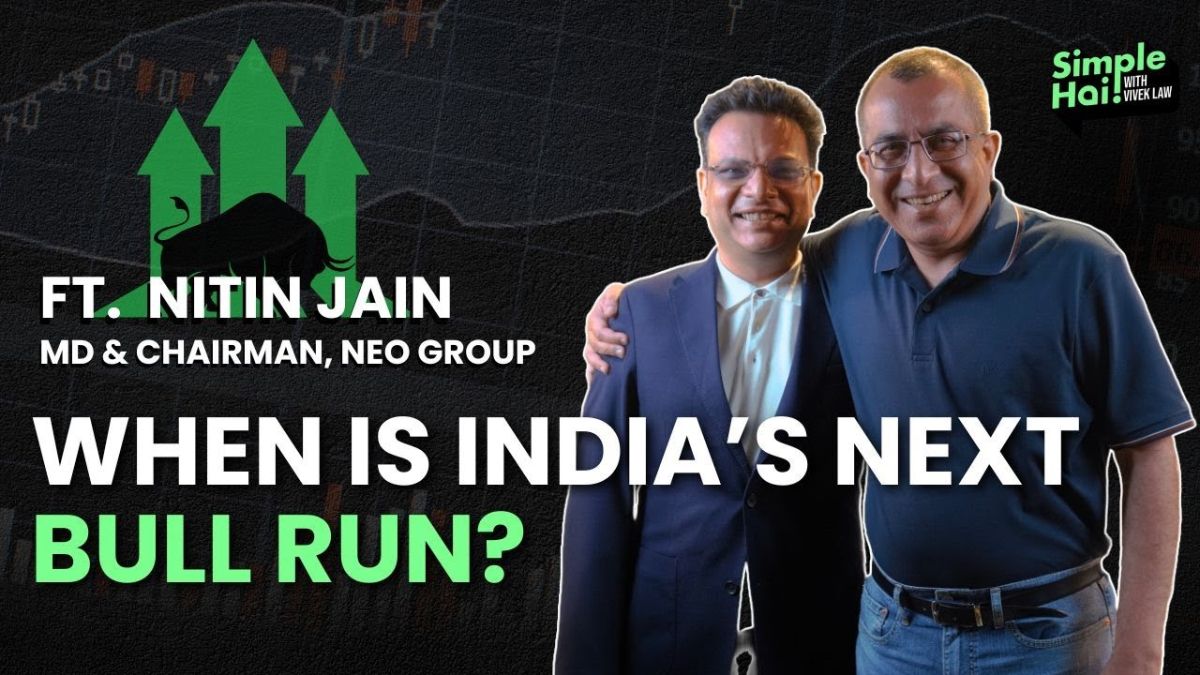
Nitin Jain: From IIT to Investment Titan, Managing ₹60,000 Crore AUM
-
 News1 month ago
NSE Makes Long-Awaited Market Debut After ₹22,562-Crore IPO
-

 Explainer5 months ago
How Much SIP Do You Need to Build ₹1 Crore? The Power of Time and Compounding
-
 Podcast2 years ago
From ₹1 Lakh Lost to Managing ₹650 Crore: How Divam Sharma of Green Portfolio Built a Fundamental Investing Approach
-
 Podcast4 months ago
Can ₹200 SIPs Create India’s Next Investing Revolution? Ravi Kumar Jha’s Big Bet On Financial Inclusion
-
 Podcast1 year ago
From ₹1 Lakh Lost to Managing ₹650 Crore: How Divam Sharma of Green Portfolio Built a Fundamental Investing Approach
-
 News2 weeks ago
UPI Charges on Payments Above ₹2,000 Delayed Until After Diwali